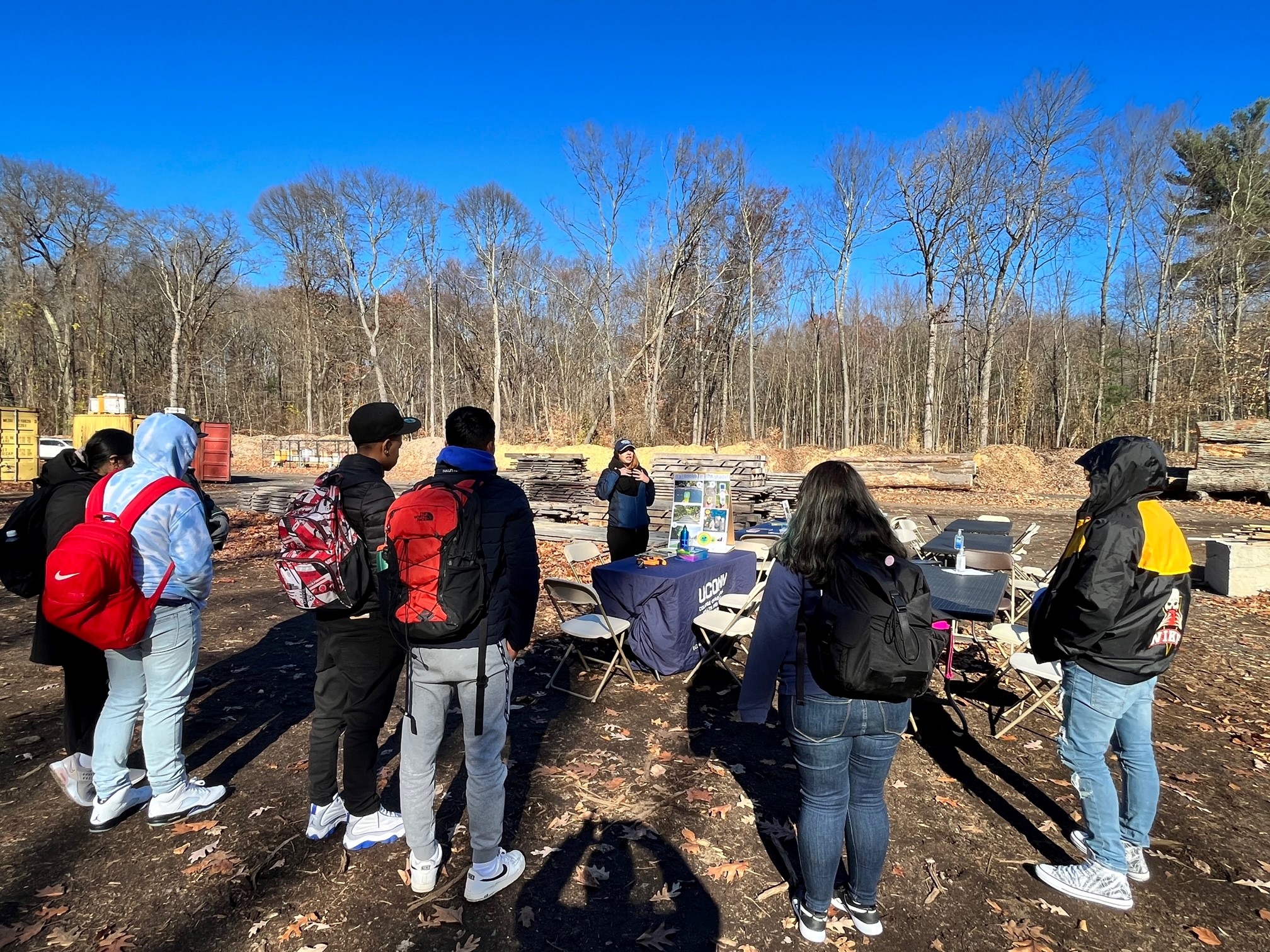
Growing the next generation of forest and environmental leaders starts here.
Through undergraduate and graduate degree programs, hands-on technical training, and youth development opportunities, UConn provides pathways for students of all ages to explore natural resources, forestry, and environmental science. Whether pursuing a degree, building career skills, or discovering a passion for the outdoors through 4-H or immersive field programs, learners connect science, stewardship, and community in meaningful ways.
Explore the programs below to discover your academic pathway or access youth forestry resources.
Urban Forestry and Arboriculture Associate Degree
Urban Forestry and Arboriculture majors in the Ratcliffe Hicks School of Agriculture receive an Associate of Applied Science (AAS) degree.
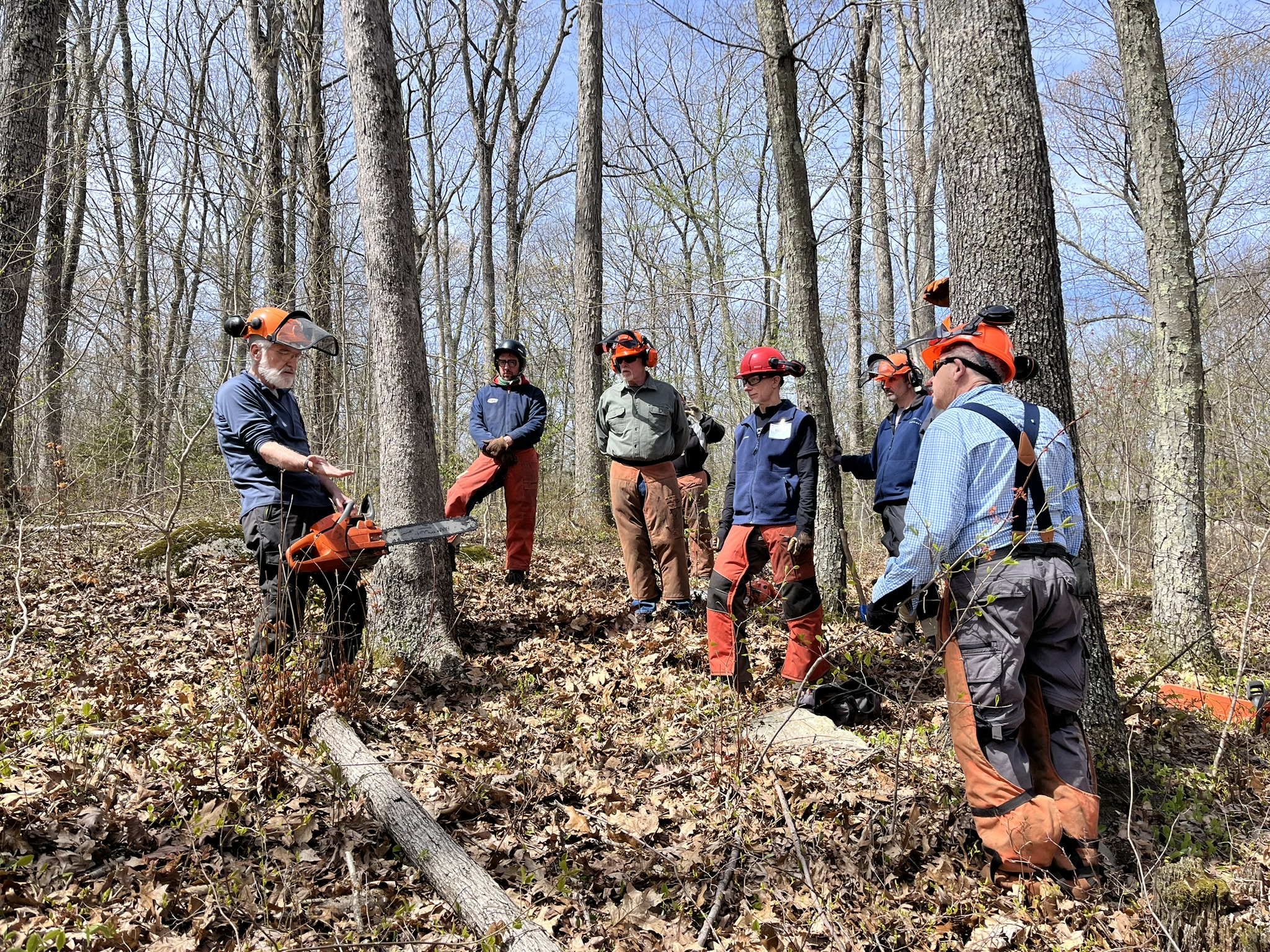
Natural Resources and the Environment (NRE) Undergraduate and Graduate Degrees
This undergraduate and graduate program offers four concentrations that allow students to deepen their educational experience in natural resources.
UConn Natural Resource Conservation Academy (NRCA)
At NRCA, youth learn a wide range of topics related to natural resources and the environment through immersive, field experiences. Interested? Contact nrca@uconn.edu.
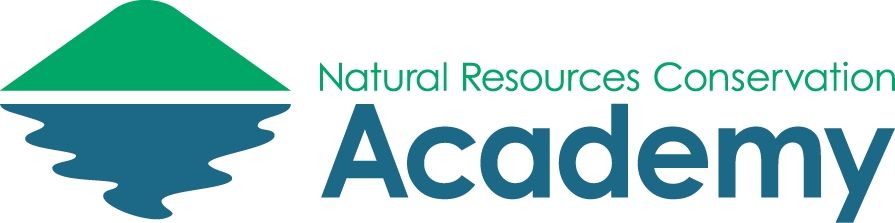
UConn 4-H Forestry Club and Environmental Science Education
UConn 4-H offers numerous opportunities for youth, including the 4-H forestry club! Check our some of the activities youth can engage in through this 4-H Forestry Activities booklet. Interested? Contact: emily.picard@uconn.edu.

Branch Out! Forestry Lessons for Youth
Are you a K-12 teacher or a nonformal STEM educator working with youth? Our team has put together a collection of lesson plans and lesson ideas that introduce youth to forests, forest monitoring, and much more!
Urban and Community Forestry Toolkit
This toolkit (part of our Branch Out! collection) was originally developed to support civic participation in urban forestry. However, it has gained much traction among K-12 teachers! We suggest you check it out if you are looking for hands-on activities that engage youth in scientific data collection through their own neighborhoods and schools.